
The Science of Lasting Relief:
Myoskeletal Alignment Technique (MAT)
What is MAT Therapy?
Myoskeletal Alignment Technique (MAT) is a specialized form of manual therapy that blends the principles of osteopathy, structural integration (Rolfing), and neurology.
Unlike a standard relaxation massage, MAT is a results-based medical modality designed to realign the body's musculoskeletal structures. It works by addressing the "myoskeletal" system—the complex relationship between your muscles (myo) and your skeleton.
By mobilizing joints through muscle manipulation and retraining the nervous system, MAT helps break the cycle of chronic pain and postural dysfunction.
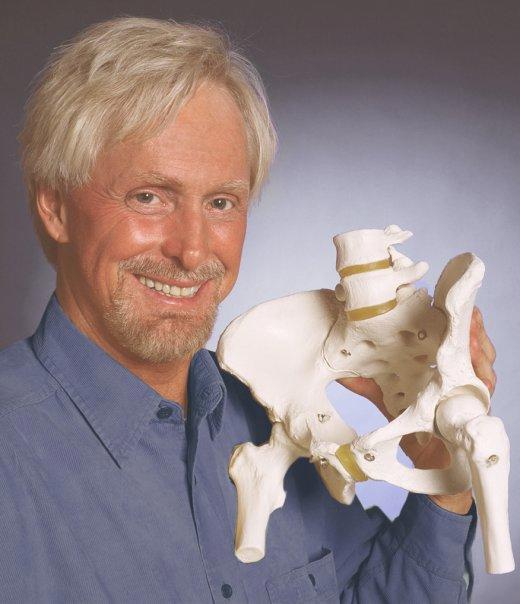
The Legacy of Erik Dalton, PhD
MAT was developed by Erik Dalton, PhD (1943–2025), a world-renowned educator and pioneer in the massage profession.
Dalton’s work was born from his studies with legendary figures like Dr. Ida Rolf (creator of Rolfing) and osteopath Dr. Philip Greenman.
Developed to combat chronic pain and postural dysfunction, this brain-based manual therapy focuses on the reflexogenic relationship between muscles, ligaments, and joints to correct neurologically-driven strain patterns.
Through the Freedom From Pain Institute which he founded in 1998, Dalton institutionalized his research into specialized textbooks, widely popular online courses, and a rigorous Master Myoskeletal Therapist (MMT) certification program.
His methods are so highly regarded that Indiana State University partnered with him to create the first massage therapy minor degree at a major U.S. university.
Today his enduring impact on the bodywork profession lives on through a global network of dedicated educators and thousands of certified clinicians who continue to utilize his targeted joint-mobilization and muscle-balancing techniques to restore pain-free movement.
What to Expect in a Session
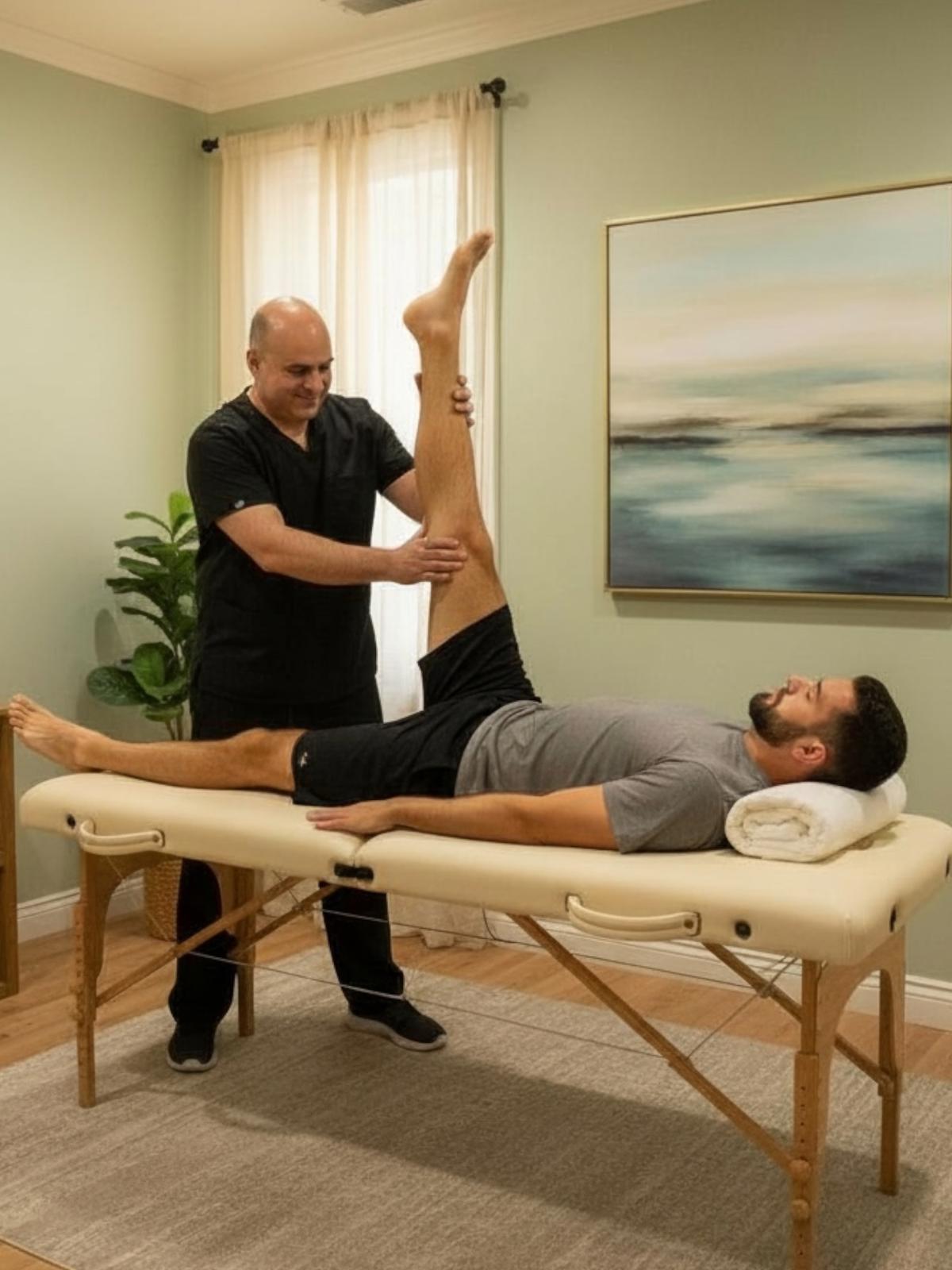
A MAT session is an interactive and educational experience focused on your body’s unique movement patterns.
Assessment
We begin with a postural analysis to identify imbalances, "muscle amnesia," or joint fixations.
Client Participation
You may be asked to perform specific movements or provide resistance (contract-relax techniques) to help your brain "re-learn" healthy, pain-free patterns.
Multimodal Approach
Your therapist will use a combination of deep tissue work, nerve mobilization, and "muscle energy" techniques to wake up underworking muscles and release tight ones.
Goal-Oriented
The immediate goal is to "bring good news" to your nervous system, signaling that movement is safe and effective.
What Should You Wear?
Best Choice:
Loose-fitting, stretchy athletic wear (e.g., yoga pants, gym shorts, t-shirts). Always wear underwear! Men should wear boxers or briefs, women should wear a bra/sports bra and panties/boy shorts, or a two-piece bathing suit.
Why:
Many MAT techniques are performed with the client fully clothed to allow for easy transitions between the table and standing assessments. Some techniques, though, require working directly on the tissues.
Avoid:
Stiff fabrics like denim or restrictive clothing that prevents a full range of motion. ALWAYS WEAR YOUR UNDERWEAR TO YOUR MEDICAL MASSAGE SESSION!
Who Benefits from MAT?
If you are struggling with any of the following, MAT may be the solution you’ve been searching for: .
Chronic Neck & Back Pain
Balancing the head, neck, and shoulders to relieve strain.
Postural Issues:
Correcting "forward head" posture or a drooping ribcage.
Pinched Nerves:
Releasing trapped nerves from tight muscles and ligaments.
Limited Mobility:
Restoring natural joint function and increasing flexibility.